
What Is The Best Material For Long Lasting Building Signs
March 6, 2026
When it comes to building signs, durability isn’t just a bonus—it’s a necessity. A sign is often the first thing potential customers see when approaching your business. If it looks worn, faded, or damaged, it can create the wrong impression about your brand.
Choosing the right material ensures your sign stands the test of time, withstands weather conditions, and continues to represent your business professionally. In this guide, we’ll explore the best materials for long-lasting building signs, how environmental factors affect them, and how to get the most out of your signage investment.
Understanding the Importance of Durable Building Signs
A building sign is more than decoration—it’s a marketing tool. A well-made sign attracts attention, builds credibility, and reinforces your brand identity. Investing in durability saves money over time and reduces headaches caused by frequent repairs or replacements.
Why Longevity Matters for Business Signs
Imagine spending hundreds or even thousands of dollars on a custom sign, only to see it fade, warp, or crack within a year. That’s not just frustrating—it’s costly. A long-lasting sign ensures your investment continues to pay off, keeps your storefront looking polished, and maintains a consistent message to your customers.
Cost vs. Durability: Finding the Balance
While high-quality materials can have a higher upfront cost, they reduce long-term maintenance and replacement expenses. Cheaper materials may seem appealing, but signs that degrade quickly harm your brand image and require constant attention. Finding the balance between cost and durability ensures you get a sign that looks great for years without breaking the bank.
Common Materials Used in Building Signs
Different materials have different strengths and weaknesses. Understanding each option will help you choose the one that best suits your business needs.
Wood: Classic Charm vs. Maintenance Challenges
Wood signs exude warmth and traditional elegance. Popular woods include cedar, redwood, and oak. These materials offer natural beauty and a timeless look. However, wood is susceptible to moisture, warping, and insect damage. Regular sealing, painting, or varnishing can extend its life, but wood requires ongoing care to maintain its appearance outdoors.
Acrylic: Sleek, Modern, and Weather-Resistant
Acrylic signs are lightweight, glossy, and durable. They resist moisture and can handle moderate sun exposure without fading. Acrylic works well for businesses looking for a modern aesthetic with a clean finish. While scratches can occur, careful installation and occasional polishing keep acrylic signs looking new for many years.
Metal Signs: Strength and Professional Appeal
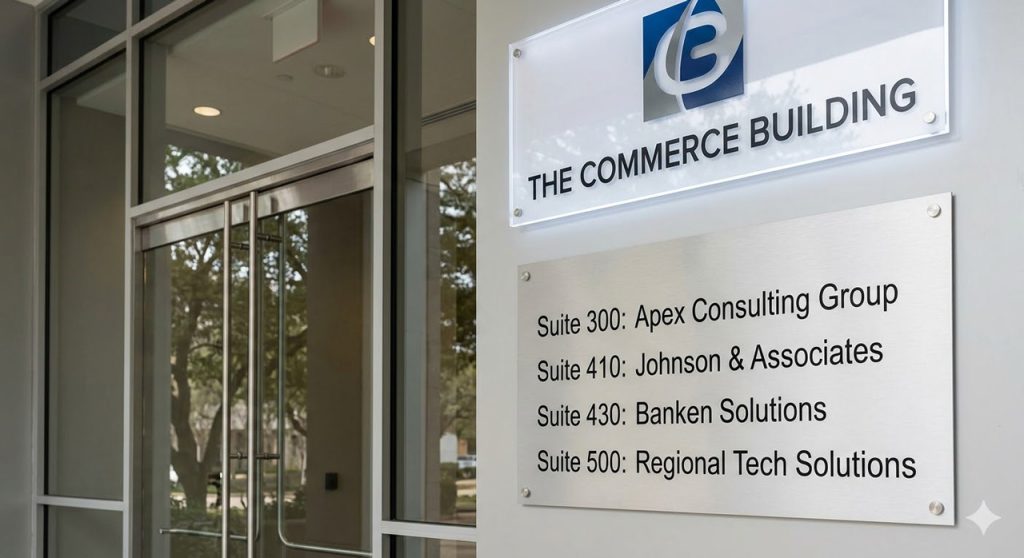
Metal signs are some of the most durable options available, offering both strength and a professional appearance. They’re particularly suitable for high-traffic areas or locations exposed to harsh weather.
Aluminum: Lightweight Yet Sturdy
Aluminum resists corrosion, is lighter than steel, and can last for decades when properly treated. Powder coating adds extra protection against scratching, fading, and the elements, making it a top choice for outdoor signage.
Stainless Steel: Premium and Rust-Resistant
Stainless steel signs have a high-end appearance and resist corrosion in almost all conditions. While they are heavier and more expensive than aluminum, their longevity and minimal maintenance requirements make them ideal for businesses that prioritize lasting value and style.
PVC and Plastic: Affordable but Limited Lifespan
PVC and other plastics are low-cost, versatile, and easy to shape. They work well for indoor signage but can deteriorate quickly outdoors, especially when exposed to direct sunlight or extreme temperatures. While great for temporary or short-term signage, plastics are not ideal for long-term outdoor use.
How Weather Conditions Affect Sign Material
The environment plays a major role in how long your sign lasts. Heat, moisture, wind, and UV exposure can all weaken materials over time.
Sun Exposure and UV Damage
Continuous exposure to sunlight can fade colors, weaken materials, and cause warping, particularly with plastics and untreated wood. Acrylic and powder-coated metals handle UV rays better, keeping colors vibrant and surfaces intact for years.
Rain, Snow, and Moisture Effects
Moisture can cause untreated wood to rot, metal to corrode, and adhesives to fail. Materials like aluminum, stainless steel, and acrylic are far more resilient in wet conditions. Signs in rainy or humid climates benefit from coatings that prevent water penetration.
Wind and Physical Impact Considerations
High winds can bend, twist, or even knock over poorly anchored signs. Choosing sturdy materials and secure mounting systems prevents damage and ensures your sign withstands strong gusts and other physical impacts.
Choosing the Right Material for Your Location
Location affects both the type of material and the style of your sign. Signs installed in urban, rural, or coastal areas face different challenges.
Indoor vs. Outdoor Signs
Indoor signs do not face harsh weather, so materials like acrylic, PVC, or lightweight metals are often sufficient. Outdoor signs must resist sun, rain, snow, and physical stress, making metals and UV-resistant acrylics the safer choices.
Urban vs. Rural Settings
Urban areas may expose signs to pollution, dust, and accidental impacts. Metal signs hold up well here. Rural locations face more natural wear, such as sun, wind, and pests, so treated wood or coated metals are ideal.
Finishing Techniques That Increase Sign Longevity
Even the best materials benefit from finishing touches that extend life. Protective coatings shield signs against fading, corrosion, and physical wear.
Powder Coating and Protective Layers
Powder coating adds a tough, durable layer to metals, preventing corrosion and scratches. It also helps signs maintain their color longer, even in harsh sunlight or rainy conditions.
Laminates and UV-Protective Coatings
For acrylic and wood signs, laminates or UV-protective coatings block harmful sunlight and reduce moisture absorption. These finishes prevent warping, fading, and surface damage, keeping your sign looking fresh for years.
LED Integration and Material Compatibility
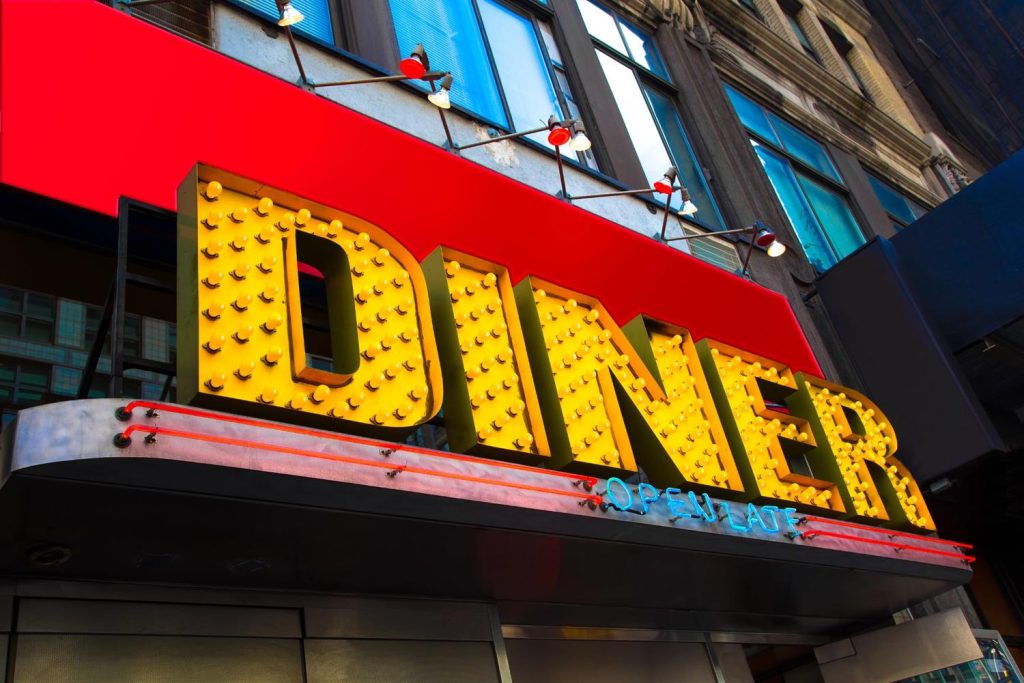
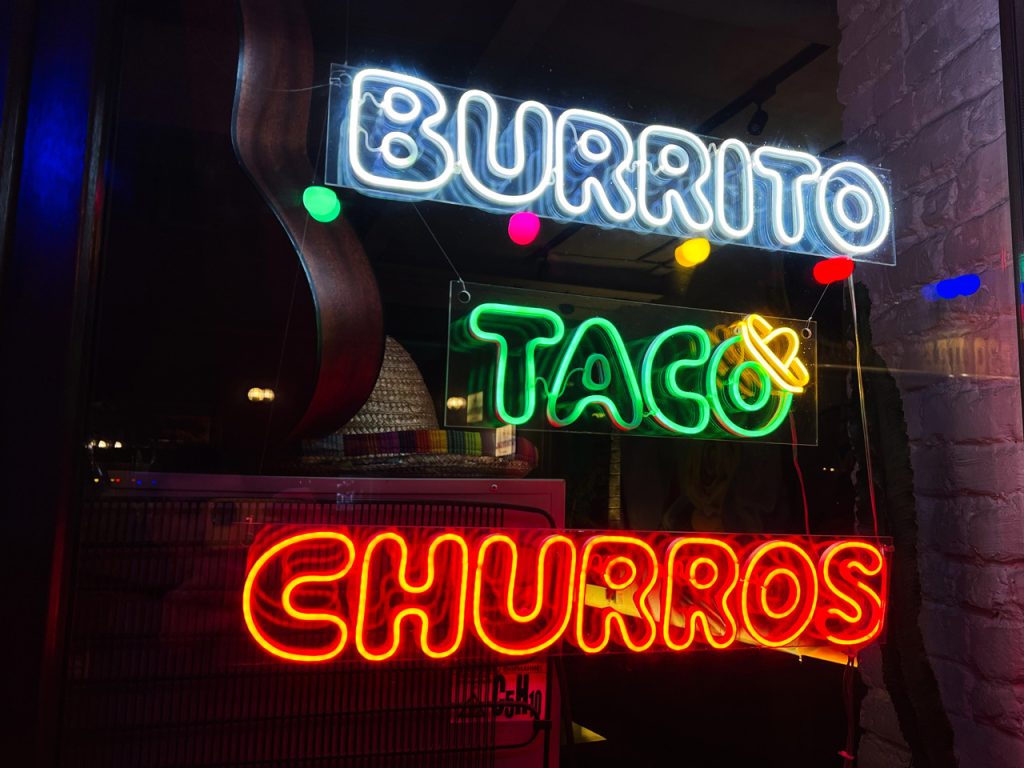
Illuminated signs grab attention, but not every material handles LEDs well. Choosing the right combination ensures brightness and longevity.
Why Some Materials Work Better With LEDs
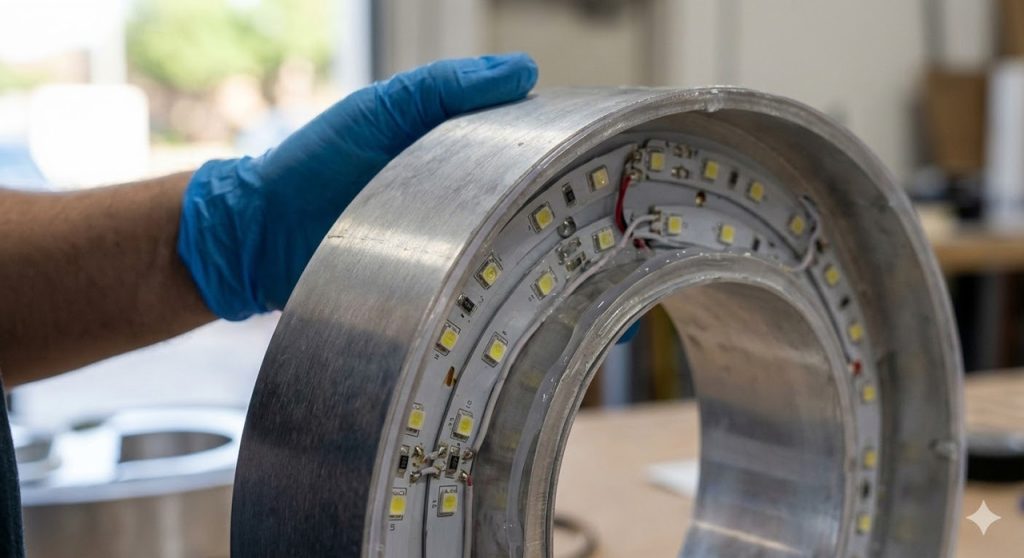
Metals and acrylics hold LED fixtures securely and distribute light evenly. PVC and some plastics may bend or discolor from the heat generated by LEDs, reducing visual effectiveness over time.
Tips for Long-Lasting LED-Illuminated Signs
Use heat-dissipating backing, seal edges to prevent moisture, and select materials specifically designed to handle LED installation. This ensures a bright, long-lasting display that continues to attract customers.
Maintenance Tips for Extending Sign Life
Even durable materials need care. Proper maintenance prevents small issues from turning into expensive problems.
Regular Cleaning Routines
Wipe down signs with gentle cleaners to remove dirt, grime, and pollutants. Avoid harsh chemicals that can strip protective finishes, especially on wood or coated metals.
Inspecting for Damage and Quick Fixes
Check for scratches, rust, fading, or loose fixtures at least twice a year. Addressing minor issues early prevents them from worsening and keeps your sign looking professional.
How LED Lights and Signs Can Transform Your Branding
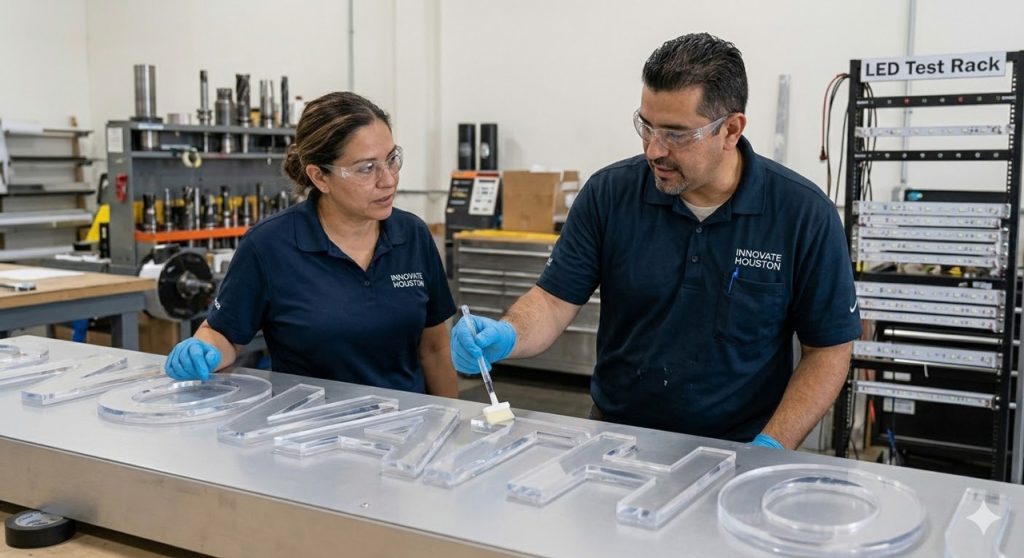
Partnering with a professional sign company like LED Lights and Signs allows businesses to combine material durability with modern lighting technology. LED integration enhances visibility at night and adds a sleek, contemporary look, while the right materials ensure your sign survives years of exposure and wear.
Material Selection Meets Design Innovation
Durable materials allow creative freedom in design. Metals can be cut into intricate shapes, acrylic can glow from LED backlighting, and protective finishes ensure your designs remain vibrant. This combination ensures a strong brand presence that’s visually appealing day and night.
Expert Recommendations for Long-Lasting Signs
Consulting experts can make a huge difference in both material choice and installation quality.
Cost vs. Quality: Making Smart Investments
Spending slightly more upfront on premium materials saves money in the long term. Less frequent replacements and lower maintenance costs outweigh initial expenses, delivering better ROI for your business signage.
Consulting Professionals for Custom Solutions
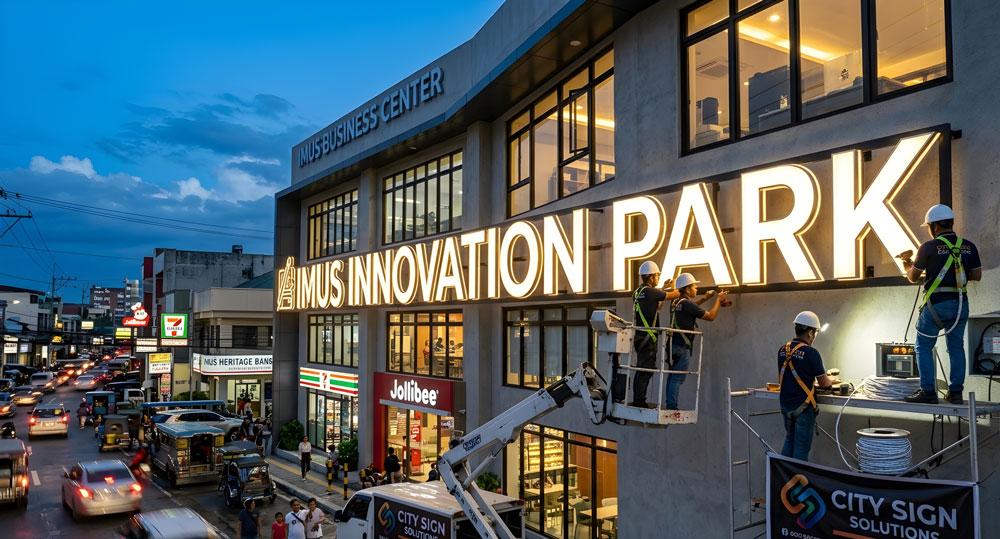
Sign companies like LED Lights and Signs specialize in creating signs that are tailored to your environment, brand, and budget. Professional installation ensures your sign stays secure, looks professional, and remains impactful for years.
LED Lights and Signs Serving the Villages Of Bear Creek Community and Beyond in Houston
LED Lights and Signs is dedicated to serving the diverse needs of the local community of Houston, including individuals residing in neighborhoods like Villages Of Bear Creek. With its convenient location near landmarks such as the Westfield Park and major intersections like Wildcroft Dr. & Gladeside Dr. (coordinates: 29.849662351727428, -95.72928479859118), we offer building signs Houston services.
Get Building Signs at Villages Of Bear Creek Now
Navigate from Villages Of Bear Creek to LED Lights and Signs Now
Building Signs That Stand the Test of Time
Choosing the right material for your building sign is a strategic decision. Metals like aluminum and stainless steel, treated acrylics, and well-finished wood provide the best durability.
Combine these materials with protective coatings, LED integration, and regular maintenance, and your sign can serve as a long-term ambassador for your brand. Investing wisely today saves headaches tomorrow, keeps your business visible, and strengthens your professional image.
FAQs
1. Which material lasts the longest for outdoor signs?
Stainless steel and powder-coated aluminum offer the longest lifespan outdoors. Acrylic is also excellent if UV-protected and maintained.
2. Can wooden signs survive harsh weather?
Yes, treated wood can last many years if sealed and maintained regularly, though it requires more attention than metals or acrylic.
3. Do LED signs damage the material over time?
When installed correctly on compatible materials, LEDs do not cause damage. Heat-resistant backing and proper sealing prevent issues.
4. Is acrylic better than PVC for outdoor use?
Yes. Acrylic resists UV damage and moisture better than PVC, making it ideal for outdoor signage.
5. How often should I maintain my building sign?
Inspect signs at least twice a year, clean surfaces quarterly, and fix minor damage promptly to extend lifespan.

Recent Blogs
How To Install Custom Signs Properly
Installing custom signs might seem like a simple task, but it involves careful planning, precise measurements, and the right tools. A sign isn’t just decoration, it’s a silent salesperson, representing your brand, guiding customers, and creating an impression. Improper installation can make your sign look unprofessional, cause damage, or even pose safety risks. This guide…How To Place Retail Signs For Maximum Visibility
Placing retail signs isn’t just about putting up a poster or a banner. A well-placed sign can guide customers, boost sales, and make your store impossible to ignore. In Houston’s competitive retail market, the way you position your signage can be the difference between foot traffic that flows past your store and shoppers who stop,…What Industries Use A Sign Company Most Often
Signs are one of the oldest forms of marketing, but they are still among the most effective tools a business can have. Think of a business without a sign, it’s like a hidden treasure nobody knows about. A sign doesn’t just identify a business; it communicates your brand, personality, and professionalism instantly. In a bustling…
Free Phone Consultation
Explore our range of High-quality signage solutions tailored just for you. From eye-catching LED displays to elegant custom signs, we’ve got you covered. Plus, take advantage of our FREE PHONE CONSULTATION to discuss your needs and get started today! Simply reach out to us by dialing (281) 235-3242.
