
How Do Sign Manufacturers Ship Large Signs
March 12, 2026
Shipping large signs is far more complicated than placing a small box on a delivery truck. These signs are often bulky, heavy, and fragile, which means they need careful planning, expert handling, and strategic logistics. Whether it’s a massive LED display for a storefront, a neon sign for a restaurant, or a custom architectural piece, ensuring it arrives safely requires attention to detail at every step.
In this article, we’ll explore the process that sign manufacturers follow, from planning to delivery, and highlight best practices used by professionals like LED Lights and Signs.
Understanding the Challenges of Shipping Large Signs
Transporting large signs is not just about moving a product; it’s about protecting a carefully crafted piece of art and technology. The challenges go beyond size and weight, involving material sensitivity, fragile components, and potential risks during transit.
Size and Weight Considerations
Large signs can range from a few feet to several dozen feet in length or height. They can weigh hundreds or even thousands of pounds depending on the materials used. Oversized freight cannot go through standard shipping routes and often requires specialized vehicles like flatbed trucks, enclosed trailers, or even cranes for loading and unloading.
Manufacturers must measure the dimensions of each sign precisely and calculate its weight to avoid shipping surprises. Incorrect estimates can lead to denied freight, higher costs, or damaged products. Planning for size and weight is not optional—it’s the foundation of safe shipping.
Fragility and Material Sensitivity
Many large signs incorporate delicate materials such as glass, acrylic, neon tubing, LED panels, or thin aluminum. These materials can bend, crack, or break under improper handling. A neon sign, for example, may function perfectly in a studio but fail if the tube bends during transport. Understanding which parts of the sign are fragile helps manufacturers determine the necessary level of padding, crate strength, and handling instructions.
Even robust LED panels can suffer internal damage if jolted, so every component must be treated with care. Labels like “fragile” or “handle with care” are more than suggestions—they’re essential safety measures.
Planning Before Shipping
Proper shipping starts well before the sign leaves the manufacturing facility. Planning reduces risk, saves money, and ensures the client receives a sign in perfect condition.
Measuring and Documenting Your Sign
Before packing, manufacturers document the sign’s dimensions, weight, and materials. Photos are taken from multiple angles, noting fragile areas or protruding elements. This documentation serves two purposes: it provides shipping teams with instructions and acts as proof if damage occurs during transit.
Choosing the Right Shipping Method
The next step is selecting the optimal shipping method. Small signs can go through standard couriers, but oversized signs require freight trucks, specialized carriers, or air transport. The choice depends on distance, urgency, and the physical properties of the sign.
For example, a local restaurant might receive a large LED sign via a flatbed truck within a day or two, while a neon display for a distant city may require air freight.
Choosing the wrong shipping method can be costly. A rushed shipment without proper crates might arrive faster but could sustain irreparable damage. Planning ensures the balance between cost, speed, and safety.
Packaging Techniques for Large Signs
Packaging is more than wrapping the sign—it’s about protecting it from shock, vibration, moisture, and mishandling. A well-packaged sign can survive the roughest shipping conditions.
Protective Materials and Padding
Foam, bubble wrap, and heavy-duty cardboard are industry standards. Signs with glass, acrylic, or LED panels often receive multi-layered protection. Corner protectors, edge guards, and padding sheets absorb shocks during loading and transport.
For signs with electrical components, additional padding prevents wires from bending or breaking. Some manufacturers even use desiccant packets to prevent moisture damage inside sealed crates.
Custom Crates and Pallets
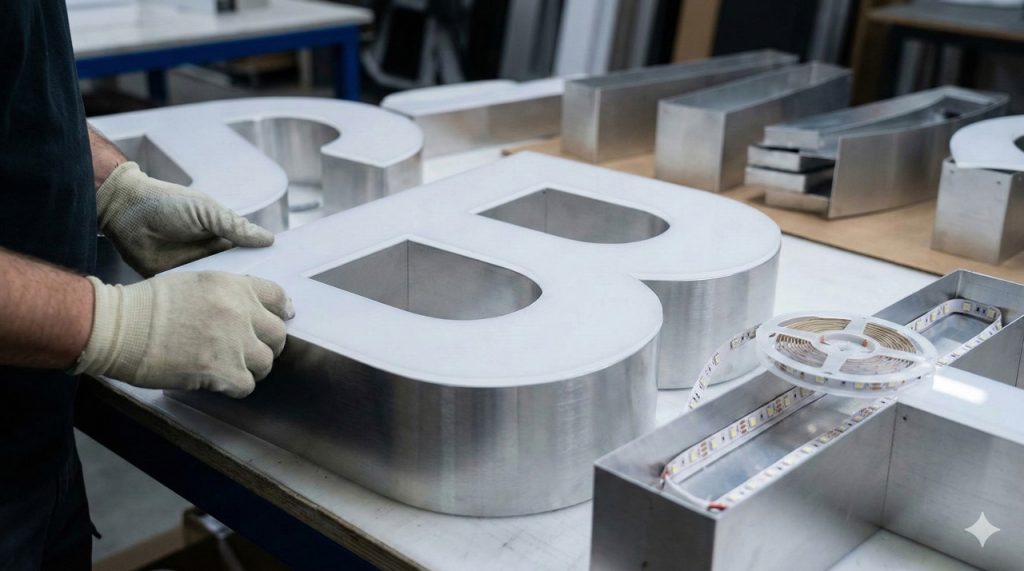
Standard boxes are rarely enough for large signs. Manufacturers often create custom wooden crates, reinforced pallets, or modular frames to fit the exact dimensions of the sign.
Custom crates keep the sign upright, prevent shifting, and allow forklifts to lift the product safely. For extremely heavy or unusually shaped signs, crates can be designed with removable panels so that parts can be installed on-site without handling the entire piece at once.
Securing Electrical Components
LED signs, neon tubing, and other electrical elements require special attention. Wires are labeled, circuits secured, and power supplies insulated to prevent shorts or damage. Loose components can move inside the crate, so small compartments, bubble wrap, or padded boxes are used to protect these sensitive parts.
Transportation Methods
The mode of transport significantly affects the safety and speed of delivery. Each method has advantages and potential drawbacks.
Ground Shipping: Trucks and Trailers
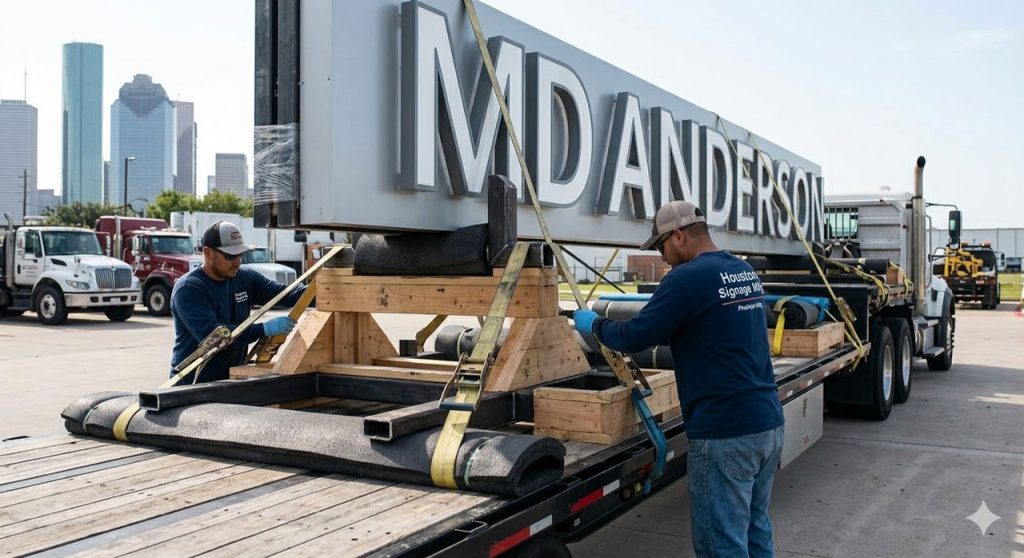
Ground shipping is the most common option for large signs. Flatbed trucks accommodate oversized signs, while enclosed trailers protect signs from weather and debris. Signs are often strapped securely to prevent movement and may be hoisted with cranes or forklifts for safe loading and unloading.
Flatbed trucks are ideal for heavy, oversized signs that don’t fit in standard trailers. Enclosed trailers are better for signs with fragile surfaces or electronic components because they provide protection from wind, rain, and road debris.
Air Freight for Oversized Signs
Air shipping is faster but comes with higher costs. It is typically reserved for urgent deliveries or signs shipped over long distances. Manufacturers must create the signs according to airline safety standards, and some oversized crates may require cargo aircraft rather than standard passenger planes.
Air shipping minimizes transit time, which can reduce the risk of damage from prolonged handling. However, the cost can be significant, and the crate must meet strict size and weight restrictions.
Freight Shipping and Logistics Companies
Partnering with freight shipping experts simplifies the process. Freight companies have the proper vehicles, trained personnel, and knowledge of permits, load limits, and safety protocols. They handle the logistics, including pickup, transport, and sometimes delivery directly to the installation site.
Experienced freight partners can anticipate issues that manufacturers might overlook, like tight loading docks, weight restrictions, or tricky urban routes. This expertise is crucial for delivering large signs safely.

Handling and Safety During Transit
Even the best packaging and transport plans can fail if signs are mishandled. Proper handling reduces the risk of accidents, damage, or injury.
Loading and Unloading Procedures
Signs are lifted using forklifts, cranes, or hoists. Manufacturers ensure the load is evenly distributed and stabilized. Team coordination is critical, especially with oversized or heavy signs. Each person involved in the process must understand the weight distribution, fragile areas, and the correct angle of lift.
Improper lifting can bend frames, crack materials, or disconnect wiring. Training and adherence to handling protocols are non-negotiable.
Avoiding Damage in Transit
Signs are secured inside trailers or crates with straps, braces, and padding. Drivers are trained to avoid sudden braking, sharp turns, and rough roads. Labels such as “fragile” and “this side up” help ensure that loaders, drivers, and receivers treat the sign carefully.
Sometimes, signs are even transported with “escort” staff who oversee delicate shipments, especially for neon or LED pieces that are particularly vulnerable.
Tracking and Insurance
Once a sign is en route, manufacturers focus on monitoring and protecting the shipment.
Real-Time Tracking Options
Many logistics providers offer GPS tracking, letting manufacturers and clients see the exact location of the shipment. Real-time tracking helps anticipate delays, coordinate installation, and provide updates to the customer.
For large signs, knowing exactly when the shipment arrives allows installation teams to be ready, reducing wait times and potential handling issues.
Insurance Coverage for Large Signs
Shipping insurance is essential. Most manufacturers carry cargo insurance covering the full value of the sign. Insurance protects against loss, theft, or accidental damage during transit.
For expensive LED displays or neon signs, insurance provides peace of mind. Even if the best precautions fail, insurance ensures the cost of repair or replacement does not fall on the client.
Installing Upon Arrival
The shipment is only half the journey—the final installation determines whether the sign functions correctly and maintains its appearance.
Coordinating with Installers
Manufacturers often work with professional installers at the destination. Coordination ensures that the right equipment, tools, and manpower are on-site. Pre-installation inspection confirms the sign arrived intact, fits the intended space, and is ready for assembly.
Final Checks and Testing
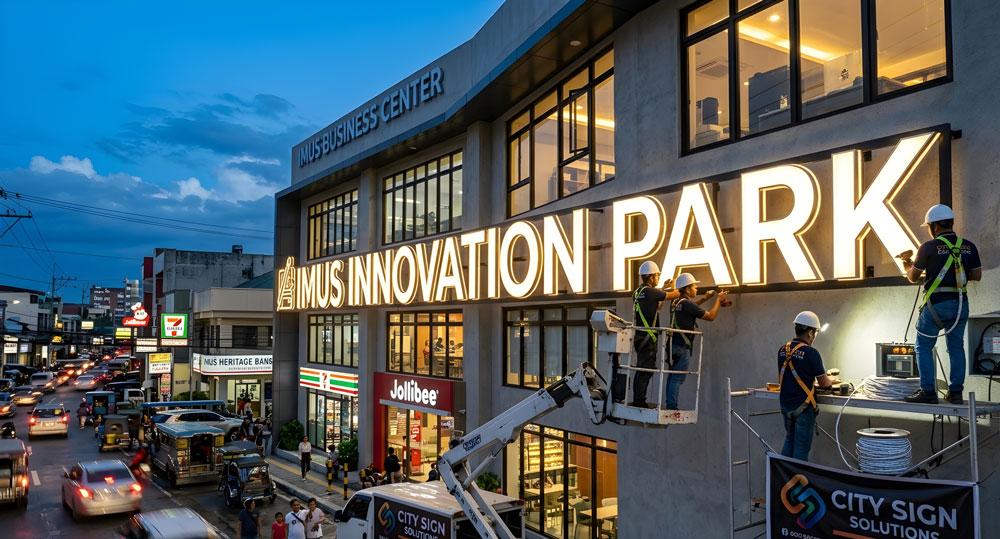
Once installed, electrical components are tested, mounting hardware inspected, and the sign powered on. LED lights are verified for brightness and color, neon tubing for uniform glow, and structural components for stability. Any issues detected can be fixed immediately, ensuring the sign operates perfectly.
LED Lights and Signs
Shipping Large LED Signs Safely
At LED Lights and Signs, shipping large LED displays has become a perfected process. Each sign is disassembled into sections, carefully padded, and placed in custom crates. Electrical components are labeled and secured. Detailed shipping plans coordinate with trusted freight partners, ensuring each shipment arrives ready for fast, safe installation.
Lessons Learned from Experience
Years of experience taught LED Lights and Signs that accurate measurements, proper crates, and reliable freight partnerships prevent most shipping problems. Planning every step, from packaging to delivery, minimizes risk and ensures client satisfaction.
Innovative Techniques for Protecting Oversized Signs During Transit
When it comes to transporting oversized signs, traditional packaging alone often isn’t enough. Many sign manufacturers are now adopting innovative techniques to ensure signs arrive in pristine condition. One method involves modular crate design, where signs are divided into sections that fit snugly into separate compartments within a single crate. This reduces stress on fragile components and makes loading and unloading safer.
Vibration-absorbing materials, like layered foam and shock mounts, are increasingly used to prevent damage from bumps and sudden stops. Some manufacturers even use temperature-controlled crates for signs with sensitive electronic components, protecting LEDs and wiring from extreme heat or cold. These modern approaches combine engineering, creativity, and practical experience, guaranteeing that even the most complex, delicate signs survive long-distance shipping without compromising their structural integrity or aesthetic appeal.
LED Lights and Signs Serving the Villages Of Bear Creek Community and Beyond in Houston
LED Lights and Signs is dedicated to serving the diverse needs of the local community of Houston, including individuals residing in neighborhoods like Villages Of Bear Creek. With its convenient location near landmarks such as the Eagle Ranch West Pocket Park and major intersections like Fountain Arbor Ln. & Silent Vale Ln. (coordinates: 29.858655565430173, -95.72928853524667), we offer sign manufacturer Houston services.
Get Sign Manufacturer Service at Villages Of Bear Creek Now
Navigate from Villages Of Bear Creek to LED Lights and Signs Now
Mastering the Art of Safe Large Sign Delivery
Shipping large signs requires careful planning, robust packaging, and reliable logistics. Sign manufacturers must balance size, fragility, and cost to ensure every piece reaches its destination safely. From measuring and documenting signs to choosing the right shipping method, packaging, handling, and installation, each step is critical.
Companies like LED Lights and Signs have mastered these processes, proving that even the largest, most delicate signs can travel safely when handled with expertise.
FAQs
1. How long does it take to ship a large sign?
Shipping times vary depending on distance, size, and shipping method. Ground freight may take several days, while air shipping is faster but more expensive.
2. Can large signs be shipped internationally?
Yes, but international shipments require careful documentation, strong packaging, and compliance with customs and airline or freight regulations.
3. Are LED signs more fragile than traditional signs?
LED signs can be delicate due to wiring and panels. Proper padding, secure crates, and careful handling are essential to prevent damage.
4. What kind of crate is best for heavy or oversized signs?
Custom wooden crates with reinforced corners, padding, and removable panels provide maximum protection and ease of handling for heavy signs.
5. Can I track my large sign shipment?
Most manufacturers provide real-time GPS tracking, allowing you to monitor the sign until it reaches its destination.

Recent Blogs
How To Install Custom Signs Properly
Installing custom signs might seem like a simple task, but it involves careful planning, precise measurements, and the right tools. A sign isn’t just decoration, it’s a silent salesperson, representing your brand, guiding customers, and creating an impression. Improper installation can make your sign look unprofessional, cause damage, or even pose safety risks. This guide…How To Place Retail Signs For Maximum Visibility
Placing retail signs isn’t just about putting up a poster or a banner. A well-placed sign can guide customers, boost sales, and make your store impossible to ignore. In Houston’s competitive retail market, the way you position your signage can be the difference between foot traffic that flows past your store and shoppers who stop,…What Industries Use A Sign Company Most Often
Signs are one of the oldest forms of marketing, but they are still among the most effective tools a business can have. Think of a business without a sign, it’s like a hidden treasure nobody knows about. A sign doesn’t just identify a business; it communicates your brand, personality, and professionalism instantly. In a bustling…




Free Phone Consultation
Explore our range of High-quality signage solutions tailored just for you. From eye-catching LED displays to elegant custom signs, we’ve got you covered. Plus, take advantage of our FREE PHONE CONSULTATION to discuss your needs and get started today! Simply reach out to us by dialing (281) 235-3242.
