
How To Place Retail Signs For Maximum Visibility
March 24, 2026
Placing retail signs isn’t just about putting up a poster or a banner. A well-placed sign can guide customers, boost sales, and make your store impossible to ignore.
In Houston’s competitive retail market, the way you position your signage can be the difference between foot traffic that flows past your store and shoppers who stop, browse, and buy. Let’s dive deep into strategies that ensure your retail signs get the attention they deserve.
Why Sign Placement Matters in Retail
A sign is more than decoration, it’s a silent salesperson that works 24/7. A poorly placed sign may go unnoticed, leaving your promotions, sales, or even your store name invisible.
On the other hand, strategic placement draws attention, communicates key messages instantly, and enhances your store’s visual appeal. Consider signs as beacons, they guide shoppers toward your store or highlight the hottest deals inside.
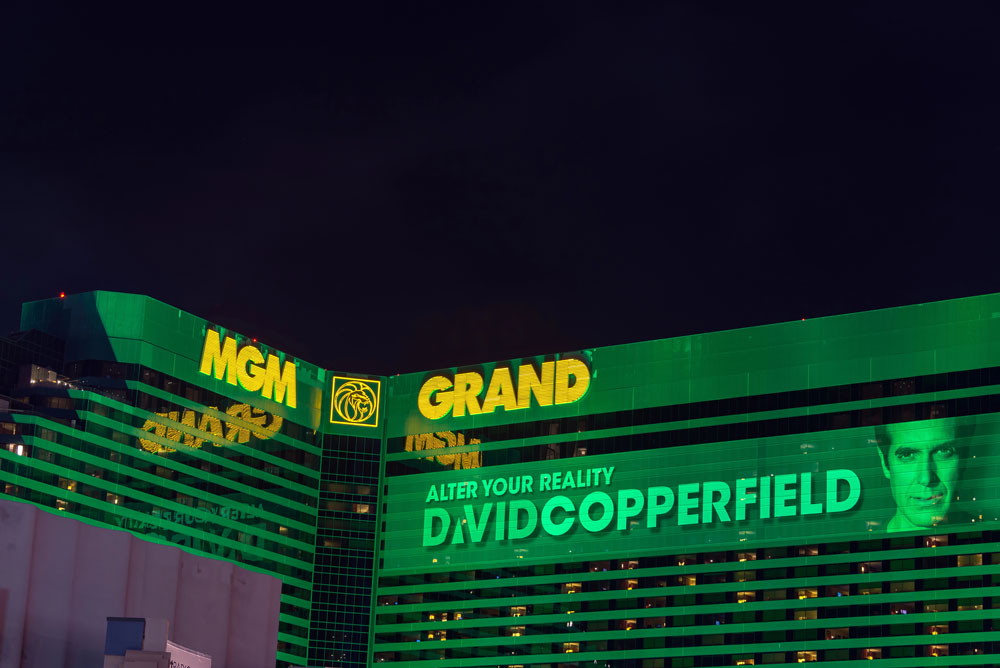
In Houston, with its mix of busy streets, malls, and walkable neighborhoods, proper placement ensures that your signage competes effectively with other stores and captures the fleeting attention of both pedestrians and drivers.
Understanding Your Audience and Foot Traffic
Before you place any signs, you need to understand who your customers are and how they move. Not every part of your store gets the same attention, and not every passerby notices every sign.
Analyzing Customer Movement Patterns
Observe the natural flow of your customers. Which aisles are the most traveled? Where do people linger, and where do they rush past? Using this information, you can identify high-traffic areas to place your most important signage. For example, if people often pause near displays of accessories, placing promotional signs there can significantly increase sales.
Mapping customer movement also helps you avoid putting signs in areas that are too crowded or ignored. The goal is to guide attention, not confuse or overwhelm shoppers.
Peak Hours and Busy Zones
Timing and location go hand in hand. During peak shopping hours, certain areas of your store or sidewalk see more traffic. Temporary or promotional signs placed in these zones can grab attention and drive immediate sales.
In Houston, weekends and early evenings might be high-traffic periods for certain neighborhoods. Adjusting your signs based on these patterns maximizes their impact.
Types of Retail Signs and Their Best Uses
Different types of signs serve different purposes. Picking the right type for your message is as important as where you place it. Here’s a breakdown:
Window Signs
Window signs are often the first thing potential customers see. They can announce sales, new products, or your store’s unique offerings. Clear messaging, bold graphics, and uncluttered design make window signs effective. Avoid overwhelming the glass with too much information; shoppers should get the message at a glance.
Wall and Hanging Signs
These signs work best for guiding shoppers inside the store. They can indicate different product sections, sales areas, or featured collections. Hanging signs should be angled and placed high enough to be visible over heads but low enough to be easily readable. Wall-mounted signs are perfect for creating a structured flow and visually dividing spaces.
Floor Graphics and Point-of-Sale Displays
Floor signage is an unexpected yet powerful way to lead customers toward featured products. Foot decals, arrows, or graphics pointing toward promotions can influence shopping behavior subtly. Point-of-sale displays near the checkout counter can drive impulse purchases, increasing your average ticket size.
Strategic Placement Tips for Maximum Impact
Even the best signs fail if placed poorly. These strategies help you maximize their impact:
Entrance Visibility
Your store’s entrance is prime real estate. A sign here must be legible and inviting. Think of it as a welcome mat that also sells your brand. Bold, concise messaging ensures that your store makes an immediate impression.
Eye-Level Positioning
Humans naturally scan eye-level spaces first. Placing signs between shoulder and head height ensures they get noticed. This simple adjustment can drastically increase engagement with your messaging.
Lighting Considerations
Lighting can make or break a sign’s visibility. Signs must be readable in all lighting conditions, including bright sunlight and evening hours.
Natural vs. Artificial Light
Use natural light strategically, avoiding glare or harsh shadows. Large windows can illuminate signs beautifully, but careful placement is key. For darker areas or night shopping, artificial lighting ensures your signage remains visible and vibrant.
LED and Neon Options
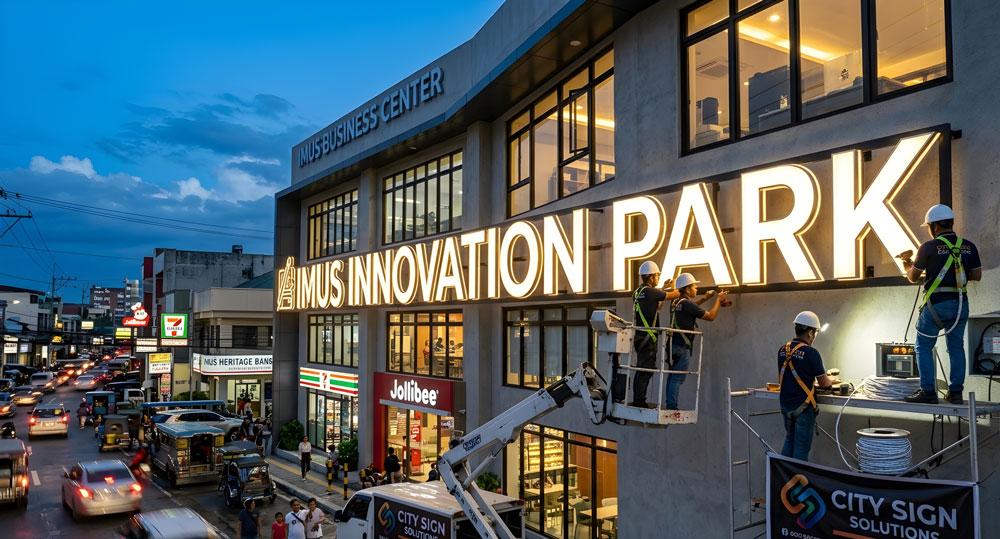
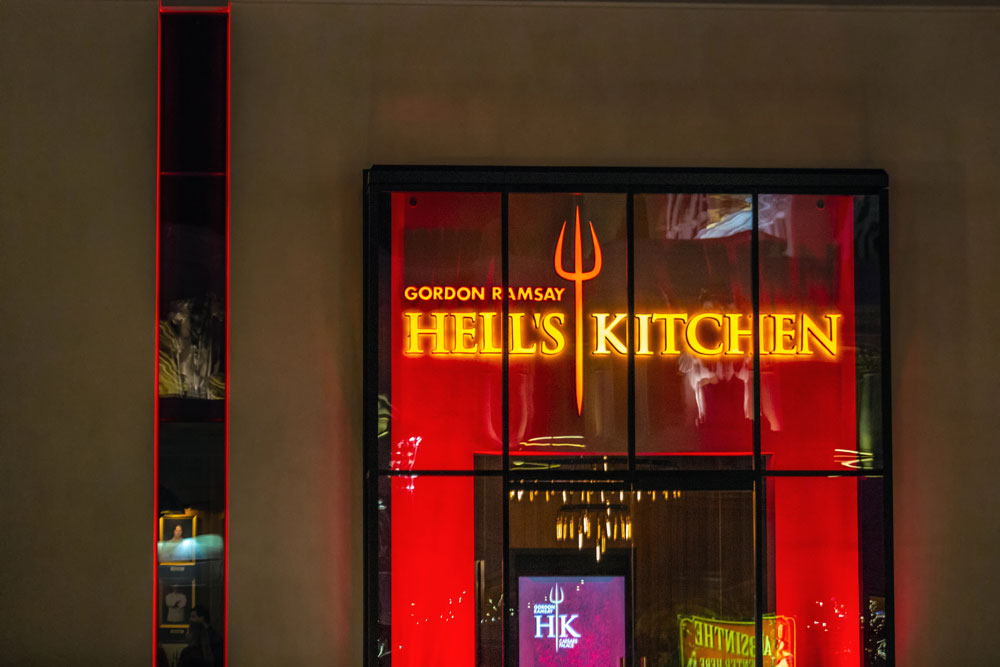
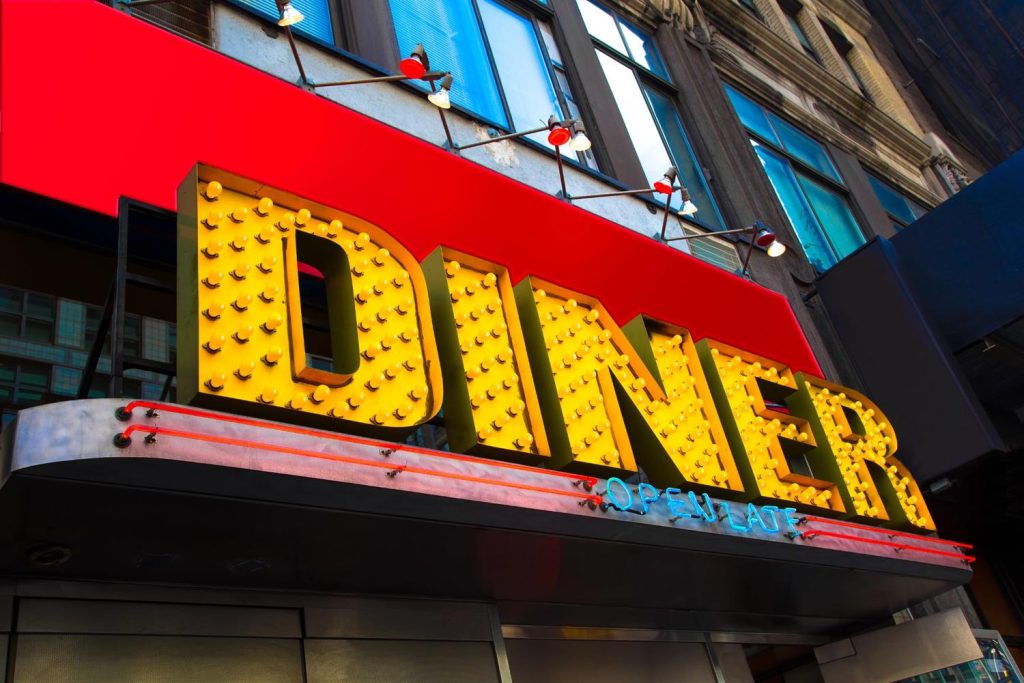
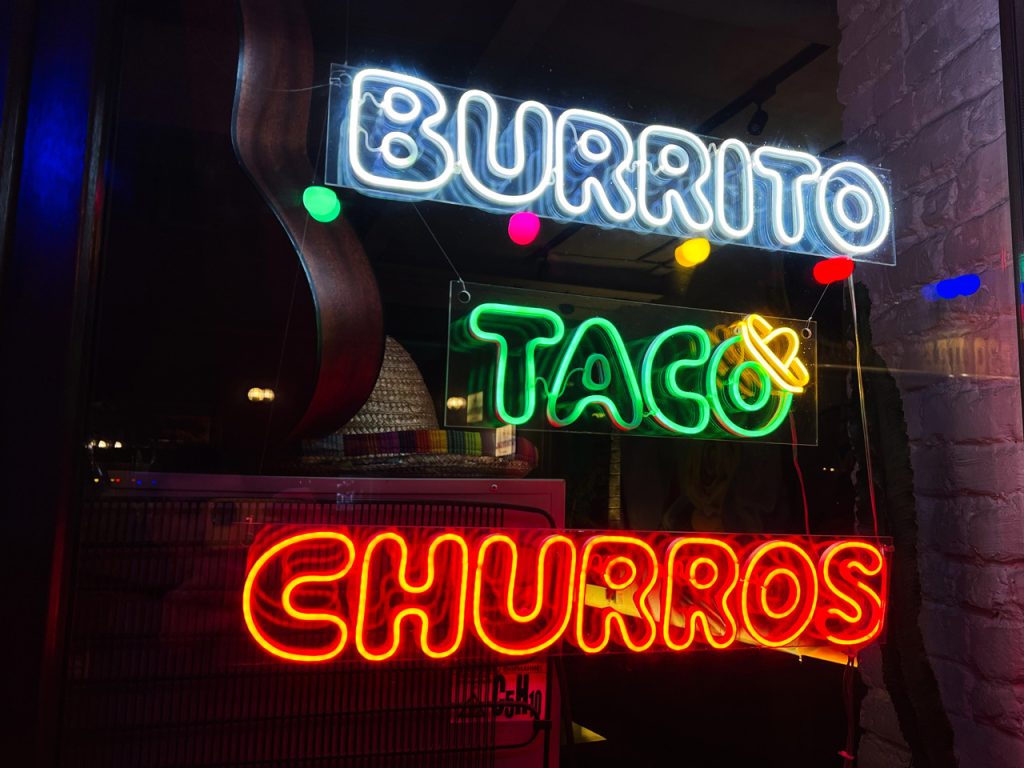
LED and neon signs grab attention quickly. They stand out in crowded streets, attract night shoppers, and add a professional, modern touch to your storefront. For Houston retailers, illuminated signs can be especially effective along busy roads or in shopping centers.
The Role of Color and Contrast in Sign Placement
Color captures attention faster than words. High-contrast, vibrant colors make signs readable and attractive from a distance.
Choosing Colors That Pop
Red, yellow, and blue naturally draw the eye, but your color choices should reflect your brand identity. Bright tones work for promotions, while subtle contrasts enhance elegance.
Background and Foreground Contrast
A sign’s text should stand out from the background. Low contrast makes signs difficult to read and reduces impact. Always test your color combinations in real-life conditions to ensure clarity.
Sign Size and Legibility
Size matters, but balance is key. Large signs grab attention, but oversize signage can feel overwhelming indoors.
Distance Reading Considerations
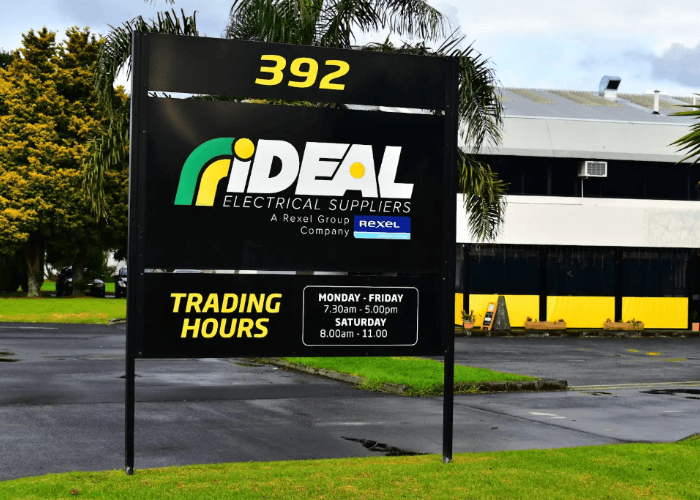
Outdoor signs need to be large enough for drivers to read from a distance. Indoor signs can be medium-sized, but must remain legible from across the room.
Font Choice and Readability
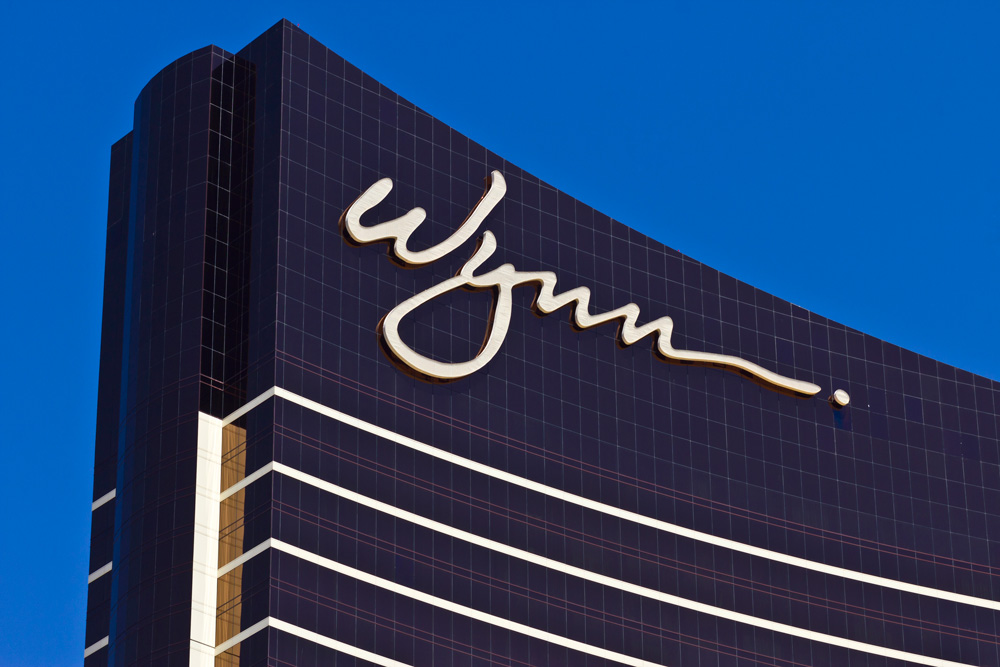
Stick to clean, easy-to-read fonts. Sans-serif typefaces are ideal for clarity, while overly decorative scripts should be avoided, as they slow comprehension and reduce the sign’s effectiveness.
Placing Signs Outside the Store
External signage attracts new customers before they even step inside. Placement in high-visibility areas can make a huge difference.
Sidewalk and Curb Appeal
Sandwich boards or A-frame signs guide pedestrians toward your entrance. Place them along natural walking paths without obstructing traffic, ensuring easy visibility.
Street-Facing Visibility
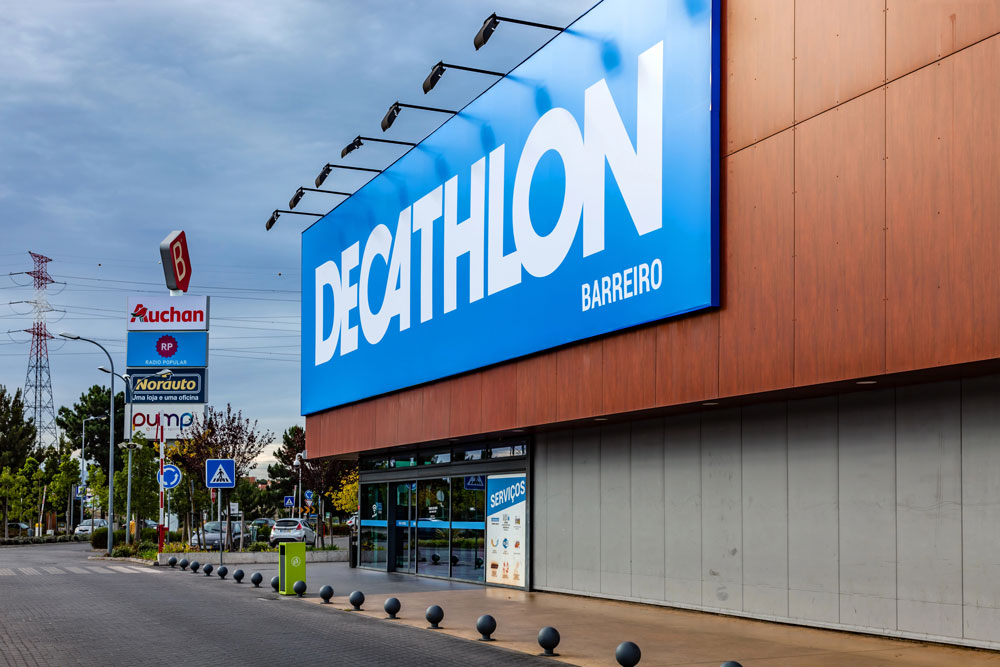
For drivers, a storefront sign must be readable at a glance. Consider local Houston traffic patterns, speed limits, and angles. Signs angled toward incoming traffic tend to be more effective than flat signs perpendicular to the road.
Placing Signs Inside the Store
Internal signs guide customers, highlight promotions, and improve the shopping experience.
Directional Signs
Wayfinding signs prevent confusion and encourage exploration. Clear arrows or text help shoppers move smoothly from one area to another, increasing product discovery.
Promotional and Sale Signs
Highlight sales and special offers near featured products or high-traffic areas. Temporary signs should be eye-catching and strategically placed to influence purchasing decisions without overwhelming the space.
Common Mistakes to Avoid
Even the best signs can fail due to common errors. Avoid these pitfalls to ensure your signs perform well.
Cluttered Signage
Too many signs create visual noise. Prioritize quality and clarity over quantity. Focus on your most important messages rather than bombarding shoppers with everything at once.
Ignoring Height and Angle
Signs that are too low, too high, or angled improperly may be missed entirely. Always test placements from a customer’s perspective, walking through your store or viewing it from the street.
LED Lights and Signs in Plantation Lakes: A Local Advantage
Working with local experts like LED Lights and Signs gives retailers in Houston a clear edge. They specialize in creating custom solutions that fit both your store layout and your target audience.
Custom Solutions for Retail Visibility
Whether it’s illuminated banners, neon designs, or LED displays, local companies can tailor signage to match your brand, lighting conditions, and visibility needs. This ensures maximum impact in Houston’s competitive retail environment.
Working With Experts
Sign professionals understand regulations, city codes, and lighting requirements. They can recommend the most effective placements, materials, and designs, saving time and ensuring your signage works for you, not against you.
Measuring Sign Effectiveness
A sign isn’t just for display, it’s an investment. You need ways to track whether it’s working.
Tracking Customer Interaction
Observe how customers engage with your signs. Are people stopping near the signage? Are specific displays increasing sales? Even small observational studies can provide valuable insights.
Adjusting Placement Over Time
Signs aren’t permanent fixtures. Test different placements, update promotional messaging, and move signs based on performance metrics. Continuous adjustment ensures your signage remains effective throughout seasonal and promotional changes.
LED Lights and Signs Serving the Plantation Lakes Community and Beyond in Houston
LED Lights and Signs is dedicated to serving the diverse needs of the local community of Houston, including individuals residing in neighborhoods like Plantation Lakes. With its convenient location near landmarks such as the Iglesia en español and major intersections like Plantation Grove Tr & N Fry Rd (coordinates: 29.85865840163205, -95.71891880202433), we offer retail signs Houston services.
Get Retail Signs at Plantation Lakes Now
Navigate from Plantation Lakes to LED Lights and Signs Now
Maximizing Retail Impact Through Strategic Signage
Effective retail signage is a mix of art, science, and observation. Understanding your customers, mapping foot traffic, selecting the right types of signs, and using color, size, and lighting strategically ensures your signage captures attention.
For Houston retailers, partnering with experts like LED Lights and Signs can take your visibility to the next level. Thoughtful placement turns ordinary signs into powerful marketing tools that guide shoppers, highlight products, and ultimately drive sales.
FAQs
How high should a retail sign be placed?
Eye-level placement between 60-72 inches from the floor maximizes visibility for most shoppers.
Are LED signs worth the investment?
Yes. LED signs grab attention, are energy-efficient, and last longer than traditional signage.
Can colors really affect sales?
Absolutely. Bright, contrasting colors increase visibility and can influence purchasing decisions by guiding attention to promotions.
How do I measure a sign’s effectiveness?
Track foot traffic, customer engagement, and sales in areas highlighted by signage. Adjust placement as needed to improve results.
Should all signs be permanent?
No. Temporary signs for promotions, sales, or seasonal events allow you to test messaging and optimize impact.

Recent Blogs
How To Install Custom Signs Properly
Installing custom signs might seem like a simple task, but it involves careful planning, precise measurements, and the right tools. A sign isn’t just decoration, it’s a silent salesperson, representing your brand, guiding customers, and creating an impression. Improper installation can make your sign look unprofessional, cause damage, or even pose safety risks. This guide…What Industries Use A Sign Company Most Often
Signs are one of the oldest forms of marketing, but they are still among the most effective tools a business can have. Think of a business without a sign, it’s like a hidden treasure nobody knows about. A sign doesn’t just identify a business; it communicates your brand, personality, and professionalism instantly. In a bustling…What Types Of Building Signs Are Most Popular
Building signs are more than just identifiers, they are the silent voice of your business, announcing your presence to the world. In a bustling city like Houston, where every block is filled with competing storefronts, having the right sign can mean the difference between attracting customers or blending into the background. From glowing LED signs…
Free Phone Consultation
Explore our range of High-quality signage solutions tailored just for you. From eye-catching LED displays to elegant custom signs, we’ve got you covered. Plus, take advantage of our FREE PHONE CONSULTATION to discuss your needs and get started today! Simply reach out to us by dialing (281) 235-3242.
