What Technology Do Modern Sign Manufacturers Use
March 15, 2026
The Evolution of Sign Making
Signs have been a part of human history for centuries, from ancient carved stone markers to painted wooden boards in town squares. The journey from those simple displays to the flashy, interactive signs we see today is nothing short of remarkable.
Modern sign manufacturing combines creativity, technology, and engineering to produce pieces that not only communicate a message but also grab attention and reinforce branding.
Today, businesses rely on signs not just for direction or information, but as powerful marketing tools. Technology plays a central role in this transformation, allowing manufacturers to produce signs faster, more precisely, and with a level of customization that was unimaginable just a few decades ago. From LED lighting systems to 3D printing, the tools of the trade have evolved to meet the demands of an increasingly competitive business environment.
The Role of Technology in Modern Sign Manufacturing
Technology touches every step of the sign-making process. Whether it’s designing the sign, selecting the right materials, or installing a complex digital display, manufacturers leverage advanced tools to maintain efficiency, consistency, and quality.
Manual processes are still valued in certain artistic aspects, but automation and smart tools have become the standard for producing durable, professional, and visually striking signs.
Modern sign manufacturers use a combination of software, automated machinery, and smart lighting systems. These innovations allow them to handle a variety of materials, create complex shapes, and integrate interactive or digital features. Technology has turned sign making into both a precise science and a creative art.
Digital Design Tools
Digital design is the starting point for nearly every modern sign project. Before a sign is ever cut, printed, or illuminated, it exists in the digital space. Designers can experiment with colors, layouts, and materials without committing resources.
CAD Software for Precision
Computer-Aided Design (CAD) software has revolutionized precision in sign making. CAD programs allow manufacturers to map out every angle, curve, and edge of a sign.
Complex 3D models can be rotated, scaled, and adjusted to ensure that the final product matches the vision perfectly. These programs reduce errors, save time, and make it easier to communicate ideas between designers and clients.
Graphic Design Programs
Programs like Adobe Illustrator, CorelDRAW, and Affinity Designer are essential for creating the visual elements of signs. Logos, text, colors, and textures are all designed digitally to ensure they translate flawlessly into the real world. High-resolution files allow printers and CNC machines to reproduce designs accurately, preserving every detail.
Prototyping and Mockups
Before production begins, prototypes and mockups help visualize the sign. Digital mockups allow for changes without wasting materials. Manufacturers can create scale models, test color combinations, and ensure that signage will fit in the intended space.
Physical prototypes produced with 3D printing or smaller CNC cuts allow clients to experience the design before committing to full production, ensuring satisfaction and reducing costly mistakes.
LED Technology and Its Impact
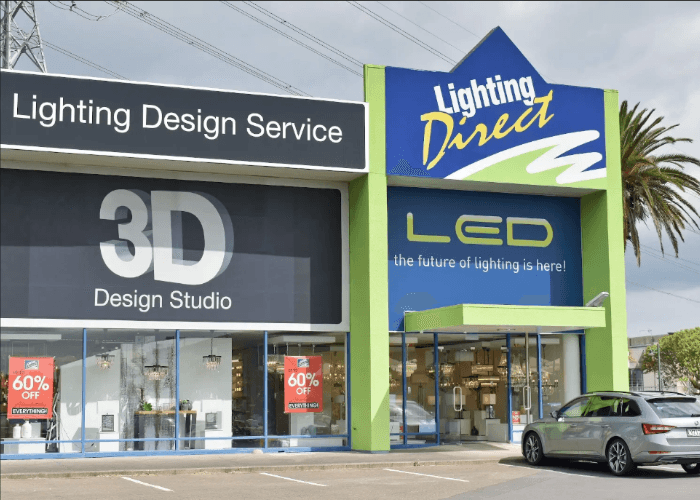
LED lights are arguably one of the most transformative technologies in sign making. They have replaced traditional neon and incandescent systems in most commercial applications due to their efficiency, versatility, and brightness.
Advantages of LED Lights
LEDs consume significantly less electricity than older lighting technologies, reducing energy costs for businesses while providing brighter and more uniform illumination. They also last much longer, sometimes over 50,000 hours, reducing maintenance and replacement needs.
LEDs can display a wide range of colors, adjust brightness, and even flash or animate messages, making them ideal for attracting attention and conveying dynamic information.
Customization Options with LEDs
Manufacturers can program LED systems to display custom animations, scrolling text, or interactive patterns. These lights can be used in indoor or outdoor signs, storefronts, billboards, and even large-scale architectural displays. The flexibility of LEDs allows businesses to create signage that is as unique as their brand identity.
CNC Machines and Automated Fabrication
CNC (Computer Numerical Control) machines have redefined how manufacturers cut, carve, and shape materials. These machines follow digital designs to produce precise cuts on wood, metal, acrylic, and other materials.
How CNC Machines Work
CNC machines are controlled by computer programs that translate digital designs into precise movements. The machines can drill, mill, and carve materials to exact specifications, producing intricate details that would be extremely difficult by hand. This ensures consistency across multiple pieces and allows for highly complex designs.
Benefits for Sign Manufacturers
By using CNC machines, manufacturers reduce production time and eliminate much of the human error associated with manual cutting. This technology enables consistent quality, faster turnaround, and the ability to create intricate patterns and lettering that would be impossible or time-consuming with traditional methods.
3D Printing in Signage
3D printing, or additive manufacturing, is another game-changer in the sign industry. It allows manufacturers to produce detailed components and custom designs quickly.
Rapid Prototyping and Production
With 3D printing, prototypes and final products can be created in a matter of hours rather than days. Mistakes are easily corrected digitally before printing the next version, reducing wasted materials and costs.
Complex and Custom Designs
3D printing can produce complex shapes, layered lettering, and sculptural signage that would be difficult with traditional fabrication. This technology enables highly customized, brand-specific designs that make businesses stand out in crowded markets.
Laser Cutting and Engraving
Laser cutting and engraving systems provide incredible precision and efficiency. Lasers can cut, etch, or engrave detailed designs on wood, acrylic, metal, and plastics.
Precision and Efficiency
Lasers deliver clean, sharp edges without the roughness of mechanical tools. The process is quick and consistent, allowing manufacturers to produce high-quality signs with intricate details in less time.
Materials Compatibility
Laser systems are versatile, working on multiple materials without compromising quality. Whether it’s metal lettering, acrylic panels, or wood engravings, lasers maintain accuracy while opening creative possibilities for designers.
Vinyl Cutting and Printing Technology
Vinyl remains an essential material in sign manufacturing, especially for graphic-rich signage and vehicle wraps.
High-Resolution Printing
Modern vinyl printers produce high-resolution images with vibrant colors. UV-cured inks and solvent-based inks ensure graphics remain crisp, even when exposed to sunlight, rain, or wind.
Durable Vinyl Applications
Vinyl can be applied to windows, vehicles, or walls, offering weather-resistant durability. It allows businesses to display branding and messages in outdoor environments without fading or peeling, ensuring signs remain visually appealing over time.
Smart Signage and IoT Integration
Smart signage combines digital displays with interactive technology and connectivity. These systems allow businesses to change content remotely and interact with audiences in real-time.
Digital Signage Displays
Digital signs can display promotions, social media feeds, or live updates. Unlike static signs, content can be updated frequently without producing new physical materials, saving both time and money.
Interactive and Connected Signs
Touchscreens, motion sensors, and mobile integration enable customers to engage with signs. This interactivity turns signage into an experience, increasing brand engagement and making messages more memorable.
Sustainability Through Technology
Modern sign manufacturers also prioritize environmental responsibility by using sustainable technology.
Energy-Efficient Sign Systems
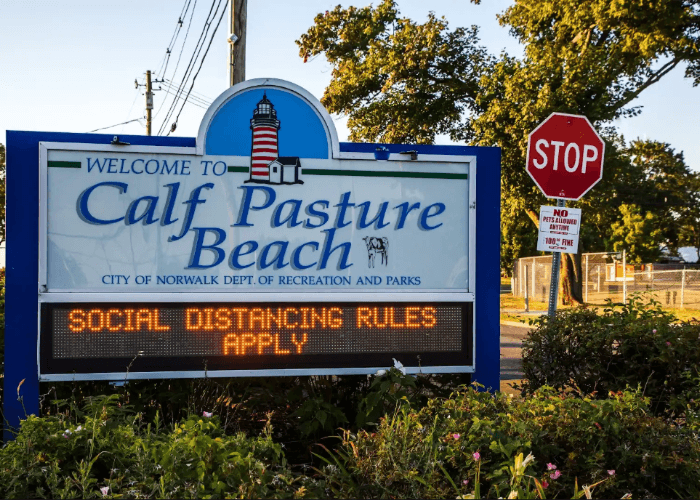
LED and solar-powered signs reduce electricity consumption, while smart scheduling systems can dim lights during off-peak hours. These technologies save money and help businesses reduce their environmental footprint.
Eco-Friendly Materials
Recycled metals, biodegradable plastics, and responsibly sourced woods reduce waste and pollution. Sustainable materials allow businesses to promote their brand responsibly without sacrificing quality or aesthetics.
LED Lights and Signs: Windstone Colony’s Go-To Expert
In Houston, LED Lights and Signs stands out as a leader in modern sign manufacturing. The company combines advanced technology, skilled craftsmanship, and attention to detail to produce eye-catching signage for businesses of all sizes.
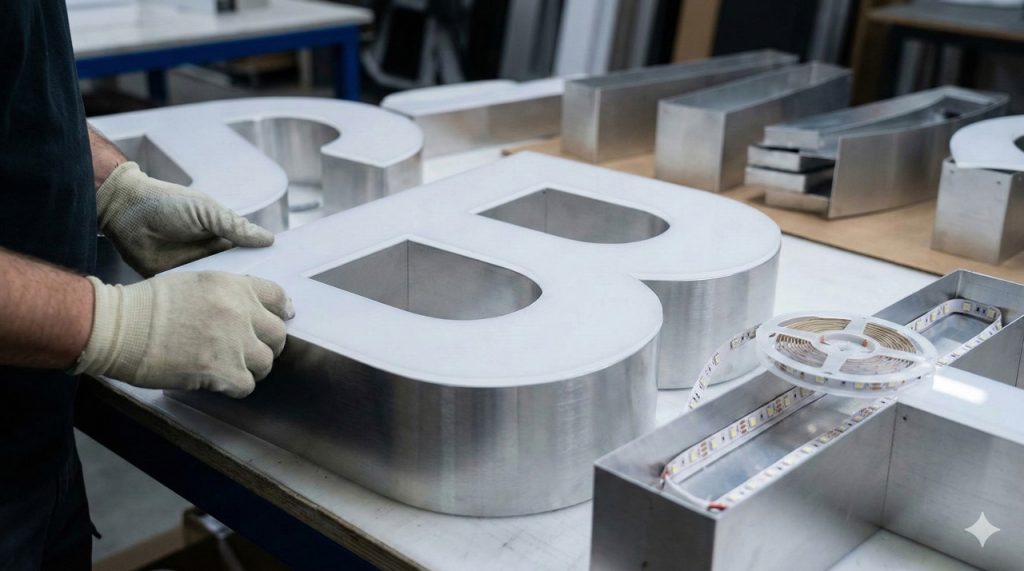
By using CNC machines, 3D printing, laser cutting, and programmable LED systems, they create signs that are vibrant, durable, and tailored to each client’s brand identity. Their team understands how to balance technology with design creativity, ensuring every project has maximum impact.
Choosing the Right Technology for Your Sign Project
Selecting the appropriate technology depends on your project goals, materials, and budget. Understanding your options ensures your sign will deliver the intended visual impact and functional longevity.
Evaluating Project Needs
Ask key questions: Will the sign be indoors or outdoors? Does it need to display dynamic content? What materials best suit the design? The answers guide which tools and technologies are appropriate for your project.
Budget Considerations
While advanced technologies like 3D printing or smart LEDs may have higher upfront costs, they can reduce long-term expenses through energy efficiency, durability, and less maintenance. Aligning technology with your budget ensures value without compromising quality.
Future Trends in Sign Manufacturing
The sign industry continues to innovate with emerging technologies enhancing design, efficiency, and interactivity.
AI in Design
Artificial intelligence can assist in creating layouts, selecting colors, and predicting audience engagement. AI-driven design tools can speed up the creative process while suggesting solutions that might not have been considered manually.
Automation in Production
Automation in fabrication, assembly, and installation increases speed, precision, and scalability. Robotics handle repetitive tasks efficiently, allowing human designers to focus on creative and strategic aspects of sign production.
LED Lights and Signs Serving the Windstone Colony Community and Beyond in Houston
LED Lights and Signs is dedicated to serving the diverse needs of the local community of Houston, including individuals residing in neighborhoods like Windstone Colony. With its convenient location near landmarks such as the Emery Elementary School and major intersections like Amelia Plantation Dr & Latta Plantation Dr (coordinates: 29.849667212020552, -95.70854719996856), we offer sign manufacturer Houston services.
Get Sign Manufacturer Services at Windstone Colony Now
Navigate from Windstone Colony to LED Lights and Signs Now
The Future of Signage: Technology Meets Creativity
Modern sign manufacturing blends creativity, precision, and cutting-edge technology. Tools like CAD software, CNC machines, 3D printing, laser cutting, and LED systems allow manufacturers to create vibrant, durable, and interactive signage. Businesses in Houston, particularly those working with LED Lights and Signs, benefit from these advancements, gaining attention-grabbing, high-quality signs that communicate their brand effectively. Technology has transformed signage into an art and science, providing limitless opportunities for creative expression.
FAQs
1. How do LED signs compare to traditional neon signs?
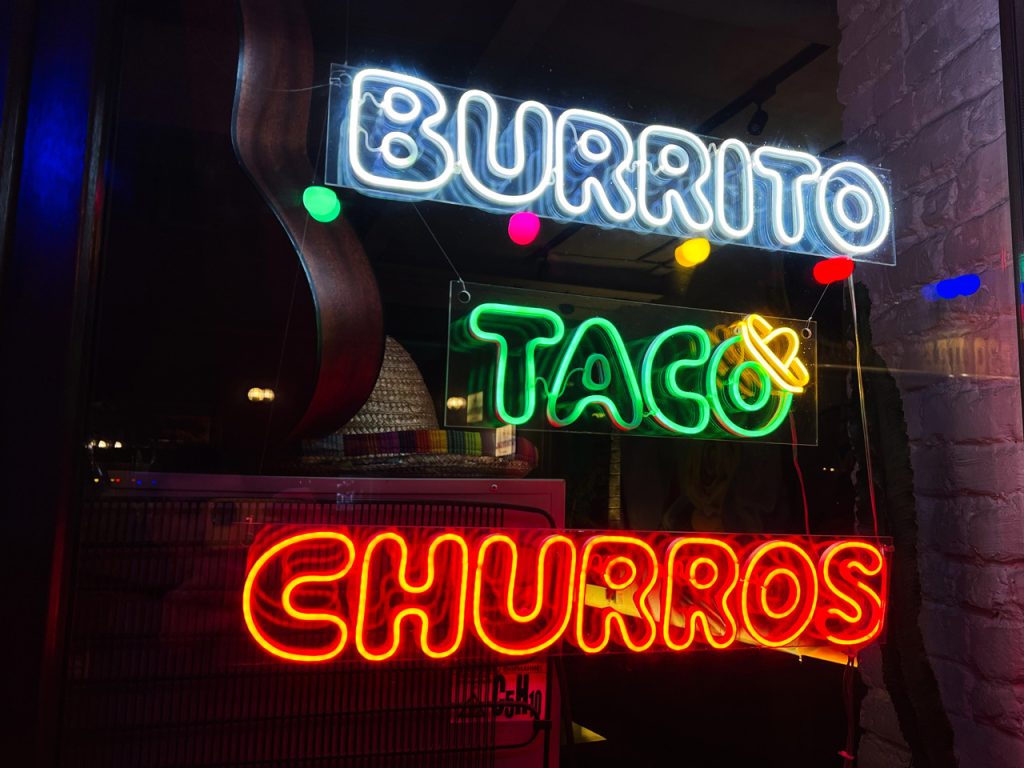
LED signs consume less power, last longer, and offer customizable colors and animations. Neon signs are visually striking but less flexible and more expensive to maintain.
2. Can 3D printing be used for outdoor signs?
Yes. With weather-resistant materials, 3D-printed signs can endure outdoor conditions while maintaining intricate designs.
3. Are laser-cut signs suitable for metal and wood?
Absolutely. Laser cutting delivers precise, detailed cuts on metals, acrylics, and various woods, creating professional-quality signs.
4. What makes a sign interactive or smart?
Interactive signs incorporate touchscreens, motion sensors, or IoT connectivity, allowing real-time updates and user engagement.
5. How does technology affect sign longevity?
Advanced materials, precise manufacturing, and energy-efficient lighting reduce wear, extending the lifespan of signs while keeping them visually appealing.

Recent Blogs
How Do Sign Manufacturers Ship Large Signs
Shipping large signs is far more complicated than placing a small box on a delivery truck. These signs are often bulky, heavy, and fragile, which means they need careful planning, expert handling, and strategic logistics. Whether it’s a massive LED display for a storefront, a neon sign for a restaurant, or a custom architectural piece,…What Building Signs Are Best For Offices
Your office building sign is more than a simple label on the wall. It’s the first handshake with potential clients, the first impression employees notice, and a silent promoter for your brand. Think of it as your office’s personality on display. A poorly designed sign can make your company look unprofessional, while a sleek, well-lit,…What Is The Best Material For Long Lasting Building Signs
When it comes to building signs, durability isn’t just a bonus—it’s a necessity. A sign is often the first thing potential customers see when approaching your business. If it looks worn, faded, or damaged, it can create the wrong impression about your brand. Choosing the right material ensures your sign stands the test of time,…
Free Phone Consultation
Explore our range of High-quality signage solutions tailored just for you. From eye-catching LED displays to elegant custom signs, we’ve got you covered. Plus, take advantage of our FREE PHONE CONSULTATION to discuss your needs and get started today! Simply reach out to us by dialing (281) 235-3242.
