
What Tools And Equipment Are Used In Sign Installation?
December 24, 2025
If you’ve ever driven through Canyon Village At Cypress Springs, you’ve likely noticed the variety of signs—some subtle, others bright and attention-grabbing, especially LED displays that seem to glow like tiny cityscapes. These signs don’t magically appear overnight. Behind every well-placed sign is a process that combines technical expertise, planning, and the right tools.
Businesses like LED Lights and Signs specialize in making this process seamless. Their teams ensure that every sign is installed safely, functions efficiently, and lasts for years. Whether it’s a small storefront vinyl sign or a large, illuminated LED display, the tools and equipment used during installation are just as important as the design itself.
Why the Right Tools Matter in Sign Installation
Safety Considerations First
Safety is non-negotiable in sign installation. Climbing ladders, handling electrical components, and lifting heavy signs come with real risks. Using proper tools—from sturdy scaffolding to the correct power drills—prevents accidents.
Professional installers follow safety protocols to protect themselves and the public, ensuring a safe working environment for everyone in Canyon Village At Cypress Springs.
Efficiency and Accuracy
Ever noticed a crooked sign and thought, “How did that happen?” Accuracy is critical. The right tools—measuring devices, cutting tools, and electrical testers—ensure signs are aligned perfectly, mounted securely, and operational from the start. With proper tools, installations are quicker, smoother, and more professional, saving time and reducing costly mistakes.
Basic Tools Every Sign Installer Needs
Measuring Tools: Tape Measures and Levels
Precision begins with measuring. A tape measure is the first step, but laser levels have revolutionized sign installation. These devices project a straight line across long distances, ensuring that large signs or multiple signs on a single wall are perfectly aligned.
Imagine a string of LED signs across a shopping plaza—without a laser level, one misaligned sign could ruin the overall appearance.
Cutting Tools: Saws, Knives, and Scissors
Signs come in all shapes and materials, from flexible vinyl banners to rigid acrylic panels. Utility knives, heavy-duty scissors, and small hand saws allow installers to trim and shape materials precisely. Proper cutting ensures clean edges, preventing peeling, chipping, or unsightly gaps that can detract from a sign’s professionalism.
Drilling Tools: Drills and Bits
Drills are essential for mounting signs securely. Depending on the surface—wood, metal, concrete, or brick—different drill bits are used to make precise holes without cracking or weakening the wall. High-quality drills reduce effort and speed up installation, especially for large LED signs that require multiple anchor points.
Hand Tools: Screwdrivers, Wrenches, and Pliers
Even with advanced tools, the basics are indispensable. Screwdrivers tighten bolts, pliers adjust brackets, and wrenches secure mounting hardware. These tools ensure every component is firmly attached, reducing the risk of signs loosening over time, especially in areas with wind or heavy foot traffic like Canyon Village At Cypress Springs.
Specialized Sign Installation Equipment
Ladders, Scaffolds, and Lifts
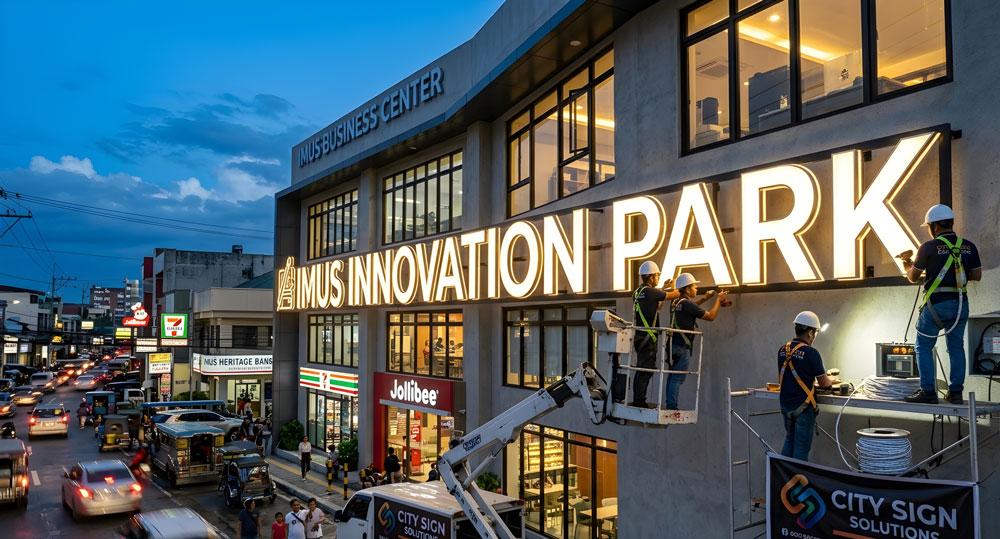
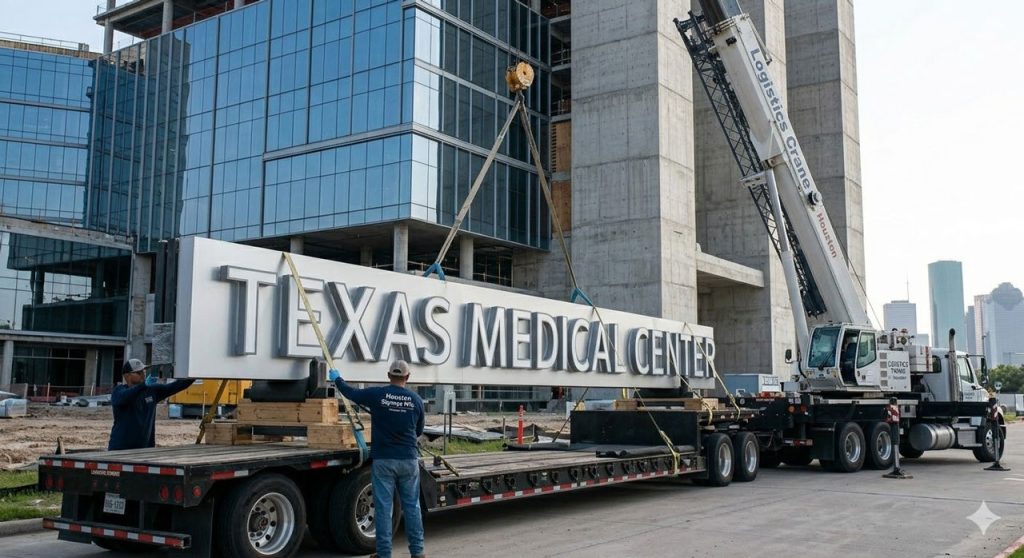
Height is a significant factor. Ground-level signs are easy, but many installations require reaching elevated positions safely. Depending on the project, installers may use ladders for small signs, scaffolds for medium-height placements, or hydraulic lifts for tall LED displays. Proper equipment ensures safety and accessibility, even for signs mounted high above entrances or in parking lots.
Mounting Hardware and Brackets
Choosing the right mounting hardware is as important as the sign itself. Bolts, screws, anchors, and brackets vary depending on wall type, sign size, and weight. Professional installers assess each project carefully.
For instance, a lightweight acrylic sign may only need basic anchors, but a heavy LED sign might require steel brackets and reinforced fasteners to withstand wind and vibration over time.
Electrical Equipment for LED Signs
LED signs require more than just plugging them in. Wiring, transformers, and control systems need proper handling. Tools like wire strippers, voltage testers, multimeters, and power drills are essential to ensure correct electrical connections.
Professionals like LED Lights and Signs in Canyon Village At Cypress Springs follow strict standards to guarantee energy efficiency, longevity, and safety.
Sign Frames and Supports
Larger or heavier signs often require additional support. Steel frames, crossbars, and custom brackets help distribute weight evenly, preventing sagging or misalignment. Properly engineered frames also protect the sign against natural elements such as wind, rain, and sunlight, extending its lifespan significantly.
Materials Used in Sign Installation
Vinyl, Acrylic, and Metal Signs
Each material has unique characteristics. Vinyl is flexible, lightweight, and excellent for temporary signage. Acrylic offers a modern, polished look but can crack if handled improperly.
Metal is sturdy and durable but heavy, demanding strong supports and precise installation. Understanding these materials ensures the right handling techniques and tools are applied for each installation.
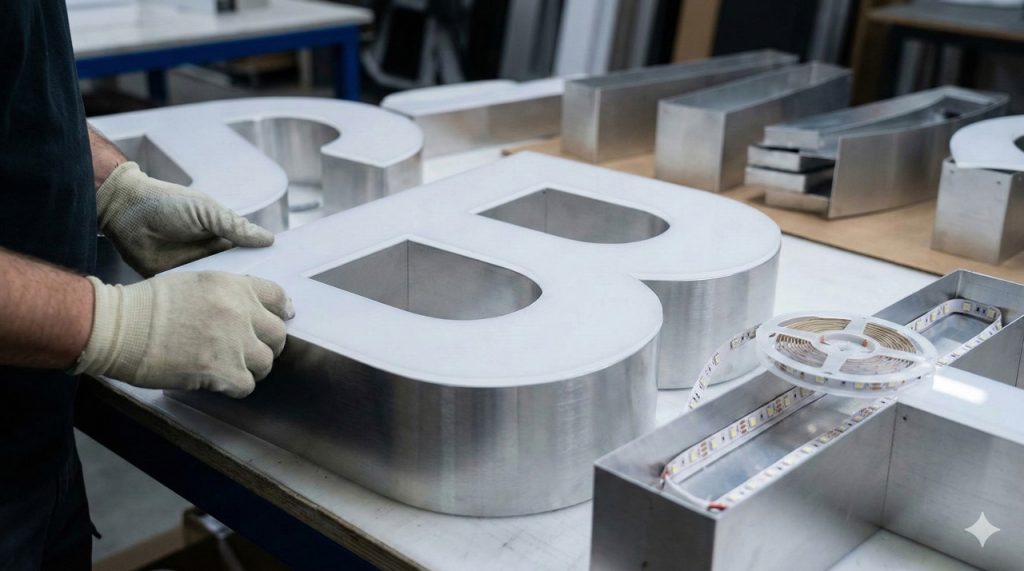
LED Lights and Wiring Essentials
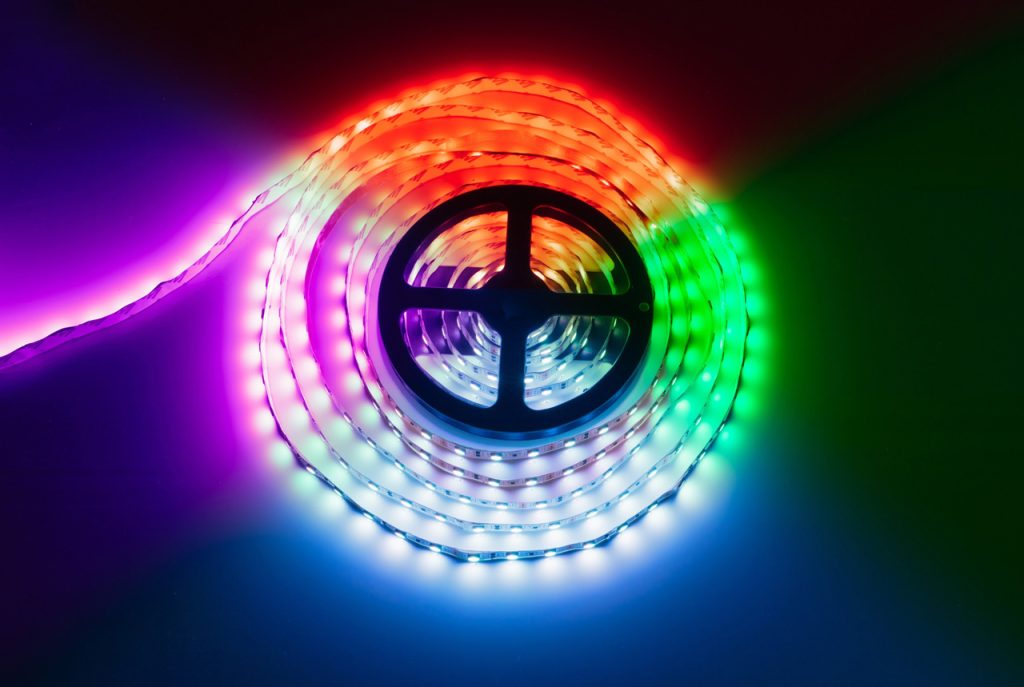
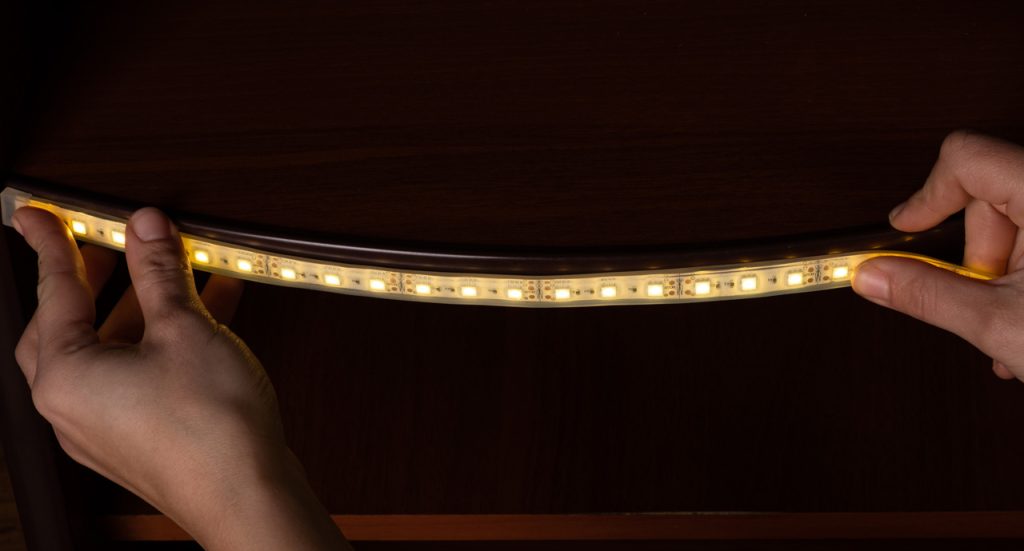
LED signs are increasingly popular for their bright, energy-efficient displays. Proper installation involves precise wiring, secure mounting, and often programmable controllers. The right tools ensure consistent illumination, avoid short circuits, and maintain an energy-efficient setup, enhancing both aesthetics and performance.
Advanced Technology in Sign Installation
Laser Levels and Digital Measuring Devices
Technology has transformed the sign installation process. Laser levels allow installers to project perfectly straight lines over long distances, while digital measuring devices can record dimensions accurately, reducing human error.
For large-scale projects in Canyon Village At Cypress Springs, these tools are indispensable, ensuring every sign aligns flawlessly with the surrounding architecture.
Software for Layout and Design Alignment
Some professional installers use specialized software to plan sign placement digitally before physical installation. This allows teams to visualize spacing, alignment, and proportions in advance, minimizing mistakes and ensuring the final product meets both aesthetic and functional expectations.
Step-by-Step Sign Installation Process
Preparation and Site Assessment
Before touching a single tool, professionals assess the installation site. Factors like wall material, sunlight exposure, electrical access, and visibility are considered. Planning ensures that the installation is safe, aesthetically pleasing, and functional.
A thorough site assessment helps identify potential obstacles, such as uneven walls or hidden wiring, that could complicate the project.
Installation Execution
Next comes the actual installation. This involves measuring, drilling, mounting, wiring, and securing every component. Each tool—from hand tools to advanced digital devices—plays a role in making sure the sign is stable, aligned, and visually striking. Experienced teams work efficiently to minimize disruption, especially in commercial areas of Canyon Village At Cypress Springs.
Testing and Quality Checks
Once installed, testing ensures the sign functions as intended. LED signs are powered up, alignment is double-checked, and all hardware is tightened. Any discrepancies are corrected immediately. Quality checks guarantee that the sign not only looks great but also performs reliably for years to come.
Maintenance Tools and Techniques
Even after installation, proper maintenance is crucial. Cleaners, soft brushes, and electrical testers help keep signs looking fresh and operating efficiently. Scheduled maintenance extends the lifespan of LED signs and prevents unexpected failures, saving businesses from costly replacements.
Tips for Homeowners and Business Owners in Canyon Village At Cypress Springs
Even if you’re not doing the installation yourself, understanding the process can help you make informed decisions. Always choose professional installers like LED Lights and Signs, who use the right tools and adhere to safety standards.
Ask questions about material durability, energy efficiency for LED signs, and expected maintenance. Knowing these details ensures your investment not only enhances visibility but also lasts for years.
LED Lights and Signs Serving the Canyon Village At Cypress Springs Community and Beyond in Houston
LED Lights and Signs is dedicated to serving the diverse needs of the local community of Houston, including individuals residing in neighborhoods like Canyon Village At Cypress Springs. With its convenient location near landmarks such as the Eagle Ranch West Pocket Park and major intersections like Fry Rd. and Enchanted Rose (coordinates: 29.885635206535873, -95.72929975538835), we offer Houston sign installation services.
Get Houston Sign Installation At Canyon Village At Cypress Springs Now
Navigate from Canyon Village At Cypress Springs to LED Lights and Signs Now
Conclusion
Sign installation is a complex process that requires skill, precision, and the right equipment. From basic hand tools to advanced laser levels and electrical testers, every piece of equipment plays a crucial role.
In Canyon Village At Cypress Springs, businesses and homeowners rely on experts like LED Lights and Signs to ensure that their signage is safe, attractive, and long-lasting. A well-installed sign isn’t just a decorative element; it’s an investment in visibility, branding, and professional reputation.
By understanding the tools and techniques involved, property owners can better appreciate the craftsmanship and make informed choices for their signage needs.
FAQs
1. What is the most important tool for sign installation?
While all tools are important, measuring tools like tape measures and laser levels are critical for ensuring accurate placement and alignment.
2. Can I install an LED sign myself?
For small signs, it’s possible. However, professional installation is recommended for safety, electrical work, and long-term durability.
3. How do I choose the right mounting hardware?
The choice depends on the material of the sign and the mounting surface. Professionals assess weight, wall type, and environmental conditions to select the proper hardware.
4. How long does a typical sign installation take?
Small signs can be installed in a few hours, while large LED displays may require a full day or more, depending on complexity and site conditions.
5. Are specialized tools necessary for LED signs?
Yes. Wire strippers, voltage testers, and digital measuring devices are essential to ensure proper function, safety, and longevity.

Recent Blogs
How To Install Custom Signs Properly
Installing custom signs might seem like a simple task, but it involves careful planning, precise measurements, and the right tools. A sign isn’t just decoration, it’s a silent salesperson, representing your brand, guiding customers, and creating an impression. Improper installation can make your sign look unprofessional, cause damage, or even pose safety risks. This guide…How To Place Retail Signs For Maximum Visibility
Placing retail signs isn’t just about putting up a poster or a banner. A well-placed sign can guide customers, boost sales, and make your store impossible to ignore. In Houston’s competitive retail market, the way you position your signage can be the difference between foot traffic that flows past your store and shoppers who stop,…What Industries Use A Sign Company Most Often
Signs are one of the oldest forms of marketing, but they are still among the most effective tools a business can have. Think of a business without a sign, it’s like a hidden treasure nobody knows about. A sign doesn’t just identify a business; it communicates your brand, personality, and professionalism instantly. In a bustling…

Free Phone Consultation
Explore our range of High-quality signage solutions tailored just for you. From eye-catching LED displays to elegant custom signs, we’ve got you covered. Plus, take advantage of our FREE PHONE CONSULTATION to discuss your needs and get started today! Simply reach out to us by dialing (281) 235-3242.
